Why Solar Energy?
The advantages of solar energy
Environmental benefits of solar energy
Solar energy is sustainable and offers many environmental benefits. Below are some of the most important benefits of solar energy.
Carbon Footprint
One of the most important features of solar energy is that it reduces the carbon footprint. Unlike traditional energy sources such as coal and natural gas, solar energy generates electricity without producing harmful greenhouse gases. This helps combat climate change by reducing the amount of carbon dioxide and other pollutants released into the air.
Conserving Natural Resources
Solar energy is an unlimited renewable resource, while traditional energy sources such as coal, oil and natural gas are rapidly being depleted. Therefore, using solar energy helps conserve the limited natural resources that would otherwise be used to generate electricity.
Reduce Air and Water Pollution
Traditional power plants emit pollutants such as nitrogen oxides, sulphur dioxide and particulate matter, which are hazardous to health. Solar energy systems, on the other hand, generate electricity without emitting harmful pollutants, making them a cleaner and safer option.
In addition, solar energy generation does not require water, which reduces the risk of water pollution.
Economic benefits of solar energy
Following rapid and consistent advances in technology, the cost of solar energy installation continues to fall. With solar energy, you can easily generate your own electricity, reduce your dependence on expensive grid electricity bills and save money in the long term.
Solar Energy: The Clean, Limitless Power of the Future
As energy needs grow rapidly today, turning to environmentally friendly and sustainable energy sources has become increasingly important. Problems such as the depletion of fossil fuels, environmental pollution and climate change are driving people to adopt renewable energy sources. One of these renewable energy sources is solar energy. Because it is an environmentally friendly, economical and sustainable energy source, solar energy is considered one of the most important energy solutions of the future.
- --
- What Is Solar Energy?
Solar energy is obtained by converting sunlight into electricity or heat using special panels. There are two main types:
Photovoltaic (PV) systems: Convert sunlight directly into electricity using solar panels.
Solar thermal systems: Collect sunlight and use it for purposes such as heating water or air.
These systems make it possible to generate clean energy for homes, businesses and industry.
- --
- Advantages of Solar Energy
- 1. It Is Environmentally Friendly
Unlike fossil fuels, using solar energy does not produce carbon emissions or air pollution. When fossil fuels are burned, harmful gases are released into the atmosphere, causing global warming. Solar energy uses sunlight directly and therefore does not harm the environment.
Although some emissions are produced during the manufacture of solar panels, they are much lower than those associated with traditional energy sources. In the long term, solar panels emit no greenhouse gases while operating.
- --
- 2. It Is an Unlimited and Renewable Resource
Solar energy is an inexhaustible resource. Fossil fuel reserves are limited and will eventually run out, while sunlight will continue to exist for billions of years.
The sun rises again every day and spreads its energy across the Earth. All that is needed is to capture and use this energy properly.
- --
- 3. It Reduces Electricity Bills
Once installed, solar panels start generating free energy. Although there is an initial investment cost, they provide significant savings in the long term.
Using solar energy in a home can greatly reduce the electricity bill.
If more electricity is generated than needed, in some countries the surplus energy can be sold to the grid to earn income.
- --
- 4. It Has Low Maintenance Costs
Solar panels have no moving parts, so they are less likely to break down than systems with mechanical parts. Once installed, they require very little maintenance.
Usually, cleaning them a few times a year and checking their connections is enough. They are long-lasting and can operate efficiently for 25-30 years.
- --
- 5. It Provides Energy Independence
Solar energy reduces the dependence of individuals and countries on external sources. Fossil fuels are generally imported from specific countries, and their prices can fluctuate.
Homes and countries with their own solar panels become more independent by reducing the need to buy energy from elsewhere.
- --
- Uses of Solar Energy
Solar energy can be used in many different areas, not just in homes:
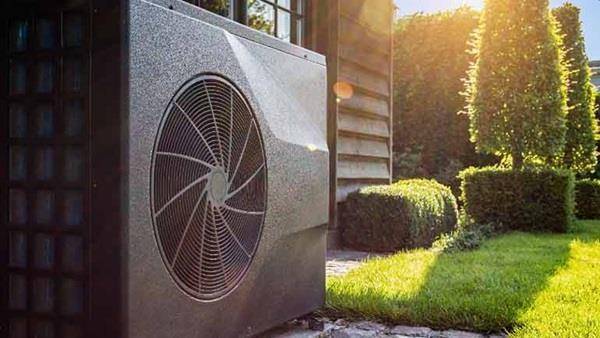
Homes and apartment buildings: Electricity generation, water heating, heating and cooling systems
Agriculture: Irrigation systems, greenhouse heating
Industry and factories: Electricity generation and support for production processes
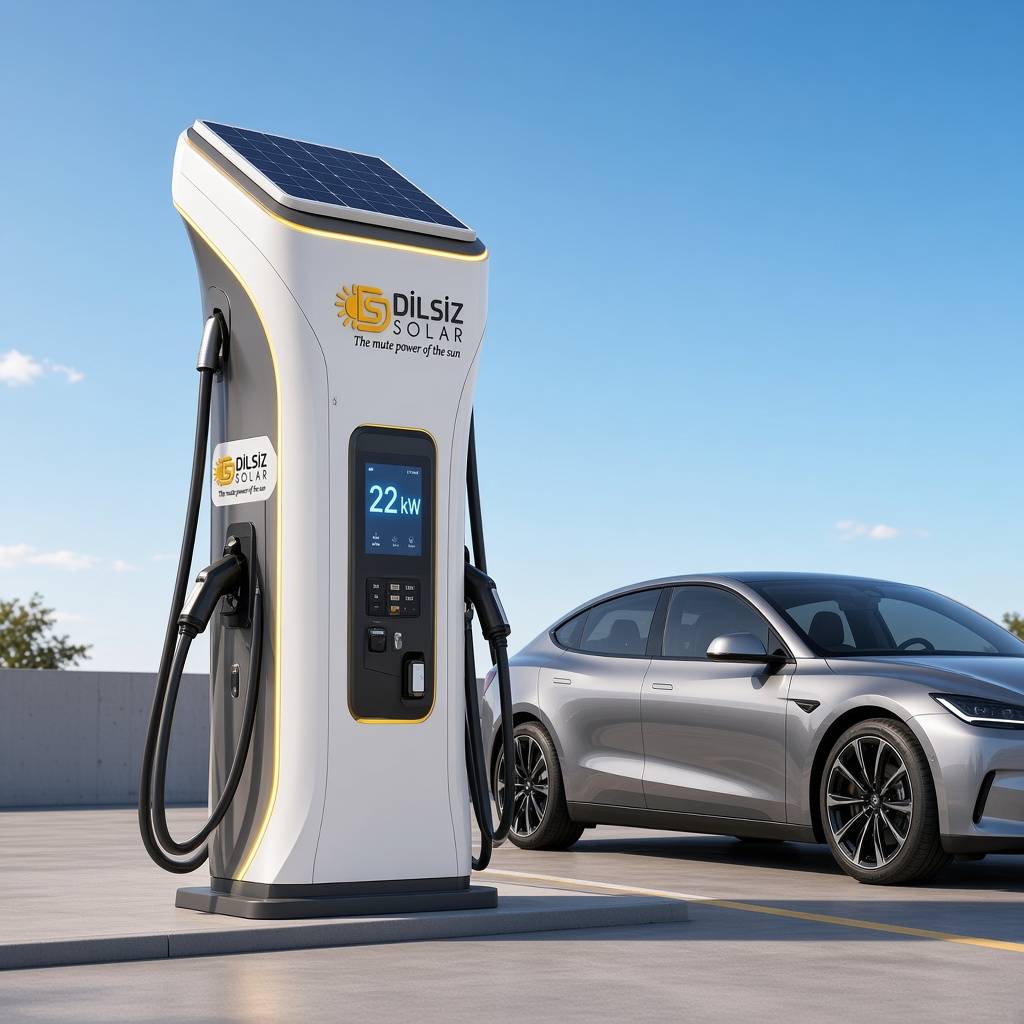
Transport: Vehicles, trains and ships powered by solar energy
Space technology: Energy source for space stations and satellites
- --
- The Future of Solar Energy
As technology advances, the efficiency of solar panels continues to increase. In the future:
Cheaper and more efficient panels will be produced
Batteries that store solar energy will improve
Building rooftops will be completely covered with solar panels
Cities will be able to run entirely on renewable energy
As the world moves away from fossil fuels, solar energy is poised to become a primary energy source.
- --
Conclusion
Solar energy is an environmentally friendly, sustainable and economical energy source. It does not harm the atmosphere, is inexhaustible and lowers energy costs, providing independence for individuals and countries.
Using solar energy to create a cleaner world is one of the smartest ways to leave a more liveable planet for future generations. Investments in solar energy will both protect nature and provide economic benefits.
Switching to solar energy today could be one of the most profitable investments in the future!

21 years of experience in electrical energy and 9 years in solar energy. Based in Birecik / Şanlıurfa, we work with rooftop and ground-mounted solar plants, solar-powered agricultural irrigation, battery systems, maintenance and service.
New articles and announcements arrive as instant notifications in the app.