On-grid, off-grid and hybrid systems: which one is right for you?
Grid-connected, battery-powered or both? We compare the differences between the three system types and who they are suitable for.
Solar power systems are generally divided into three groups. The right choice depends on your access to the grid, how often outages occur and your budget.
On-grid (grid-connected)
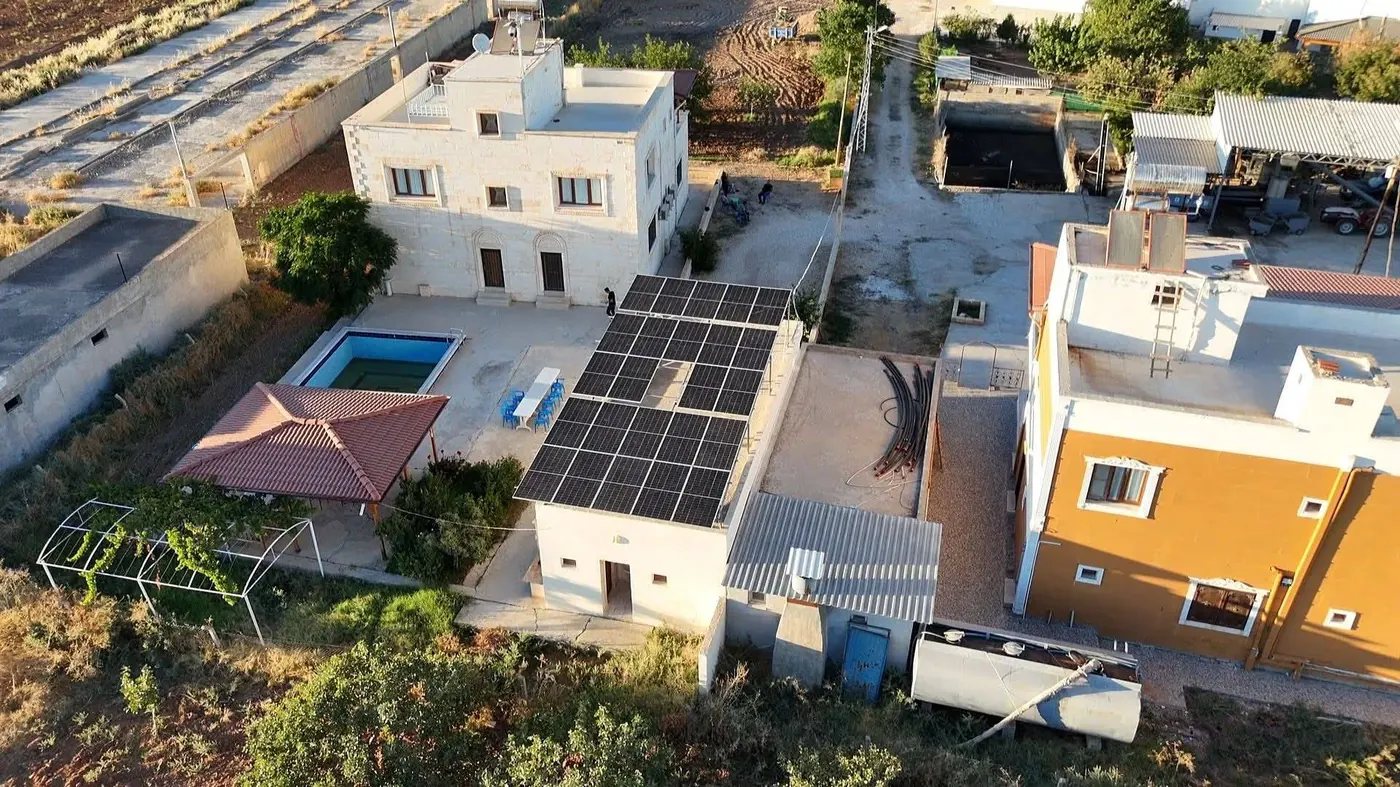
The panels supply the energy they generate during the day to your home via an inverter; any surplus is sent to the grid and settled through net metering in accordance with regulations. As there is no battery, this is the most economical solution.
- Who it’s for: Homes and businesses with grid access that want to reduce their bills
- Please note: For safety reasons, the system also stops when the power goes out
Off-grid (independent of the grid)
The energy generated is stored in batteries, and the grid is not used at all.
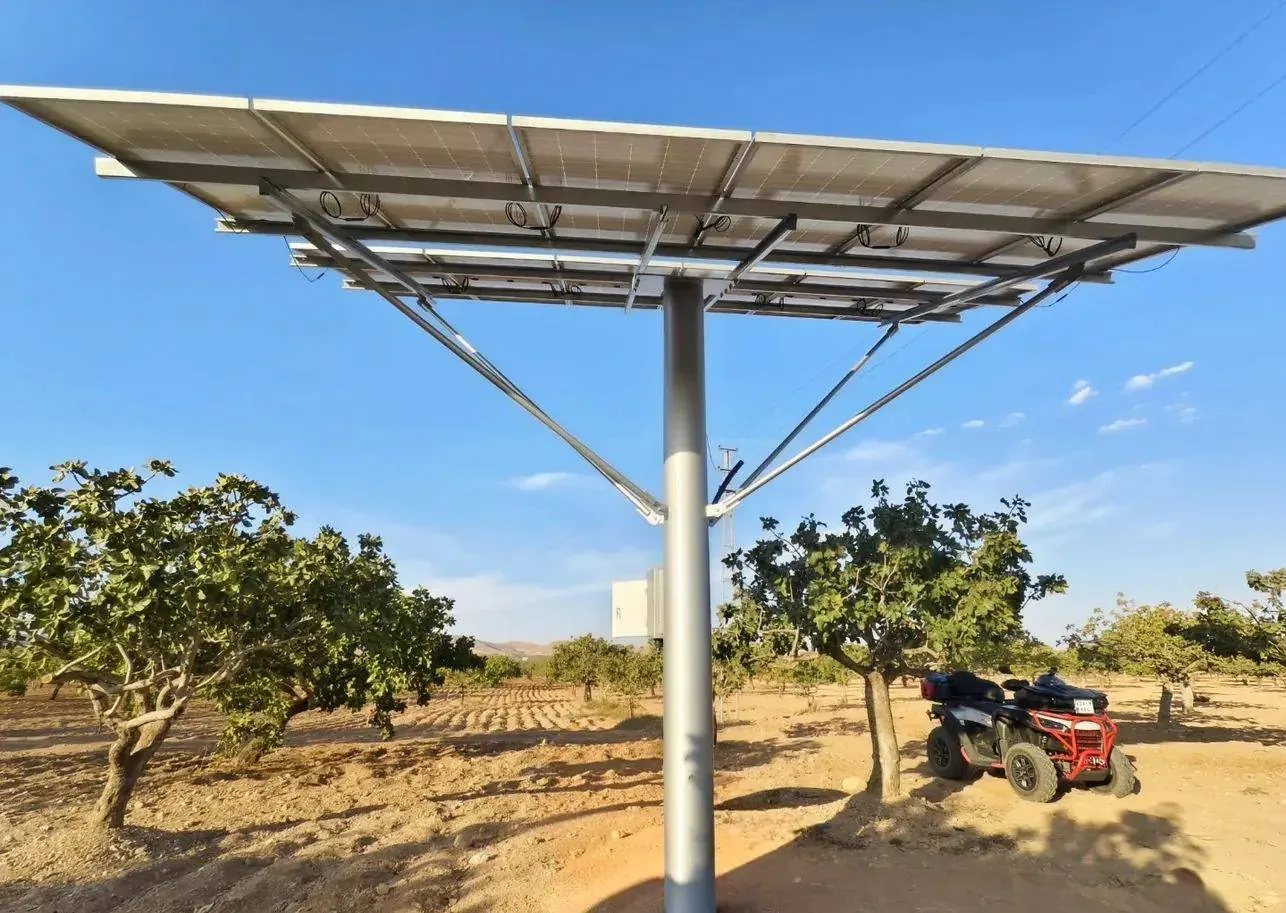
- Who it’s for: Country homes, highland homes, farms and camera poles
- Please note: Battery capacity must be calculated correctly based on your consumption
Hybrid (grid + battery)
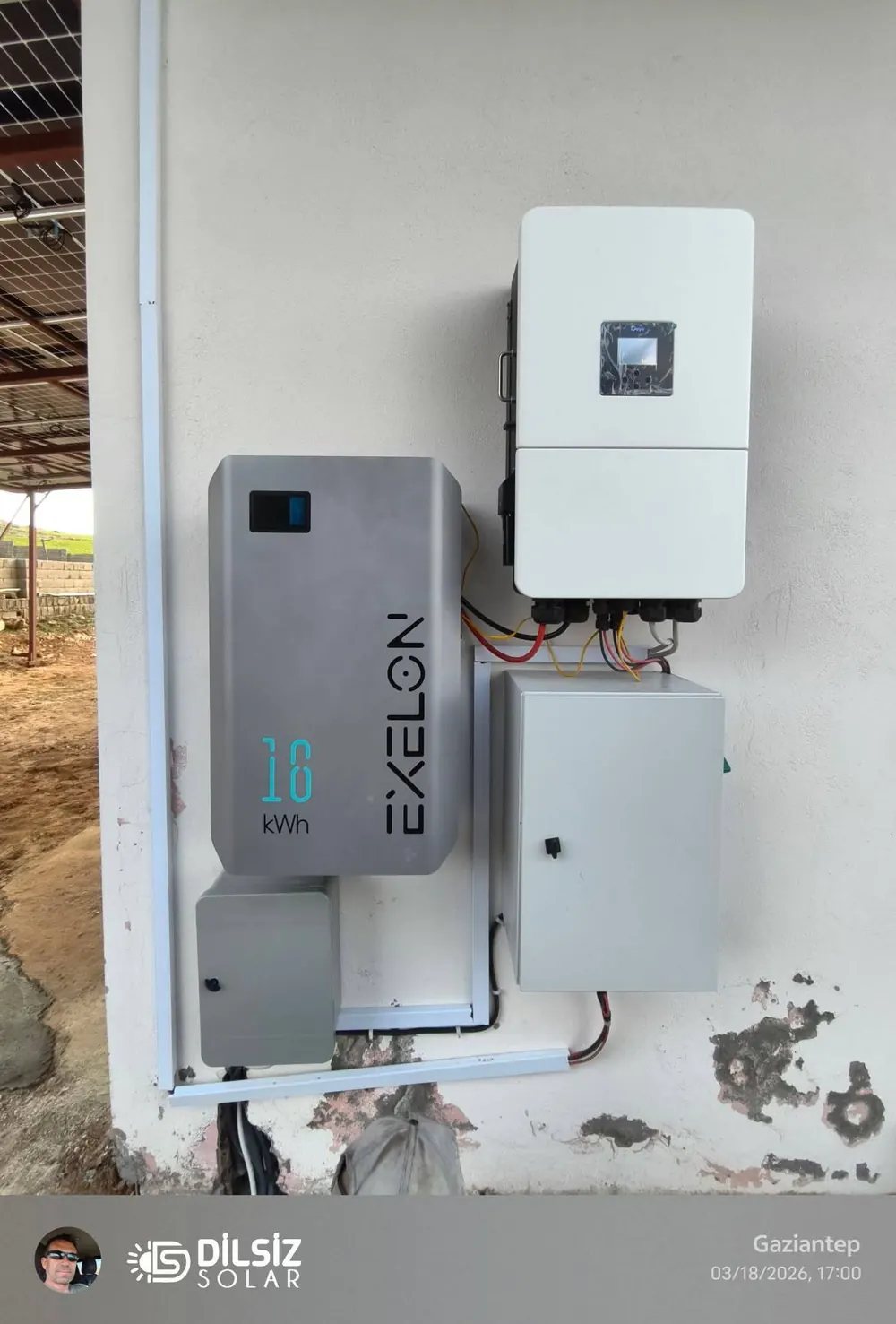
It is connected to the grid and also includes a battery. During the day, the energy generated goes first to your home, then to the battery. At night or during an outage, you are powered by the battery.
- Who it’s for: Areas with frequent outages and anyone who wants an uninterrupted power supply
- Please note: The initial investment is higher than for an on-grid system
Quick comparison
- Cost: On-grid is the lowest; hybrid is the highest
- Works during an outage: Off-grid and hybrid—yes; on-grid—no
- Requires the grid: Yes, except for off-grid
If you’re not sure which system is right for you, try our system sizing and battery calculation tools, or call us for an initial consultation.

21 years of experience in electrical energy and 9 years in solar energy. Based in Birecik / Şanlıurfa, we work with rooftop and ground-mounted solar plants, solar-powered agricultural irrigation, battery systems, maintenance and service.
New articles and announcements arrive as instant notifications in the app.