Solar energy for agricultural irrigation: a step-by-step guide for farmers
Everything you need to know before running your submersible pump on solar power: well data, number of panels, drive selection and remote control.
For pistachio, olive, cotton and vegetable growers in Şanlıurfa, irrigation is one of the biggest expenses. Diesel generators bring both fuel and maintenance costs; grid electricity is either unavailable in remote fields or means high bills. Solar-powered irrigation systems solve both problems.
How does the system work?
Solar panels generate direct current (DC). The solar pump drive converts this energy into the alternating current (AC) required by the submersible pump and, thanks to its MPPT feature, draws the highest possible power from the panels at all times. As the sun rises, the pump’s speed and flow rate increase; when the light fades in the evening, the drive slows the pump and eventually stops it. Because no battery is used, the system is simple and long-lasting.
Information to prepare before the site survey
- Well depth and the depth at which the pump is suspended
- Static and dynamic water levels (if you know them)
- The power (HP or kW) and voltage (single-phase / three-phase) of the existing pump
- Your approximate daily water requirement
- The area where the panels will be installed and whether it is shaded
How many panels are needed?
As a general rule, panel capacity of approximately 1,3 – 1,5 times the pump’s power is recommended. For example, panel capacity of around 10 – 12 kWp may be sufficient for a 10 HP (approximately 7,5 kW) pump. The exact calculation should be based on the well depth and daily water requirement. You can make an initial estimate using the submersible pump calculator on our website.
Choosing a mounting structure
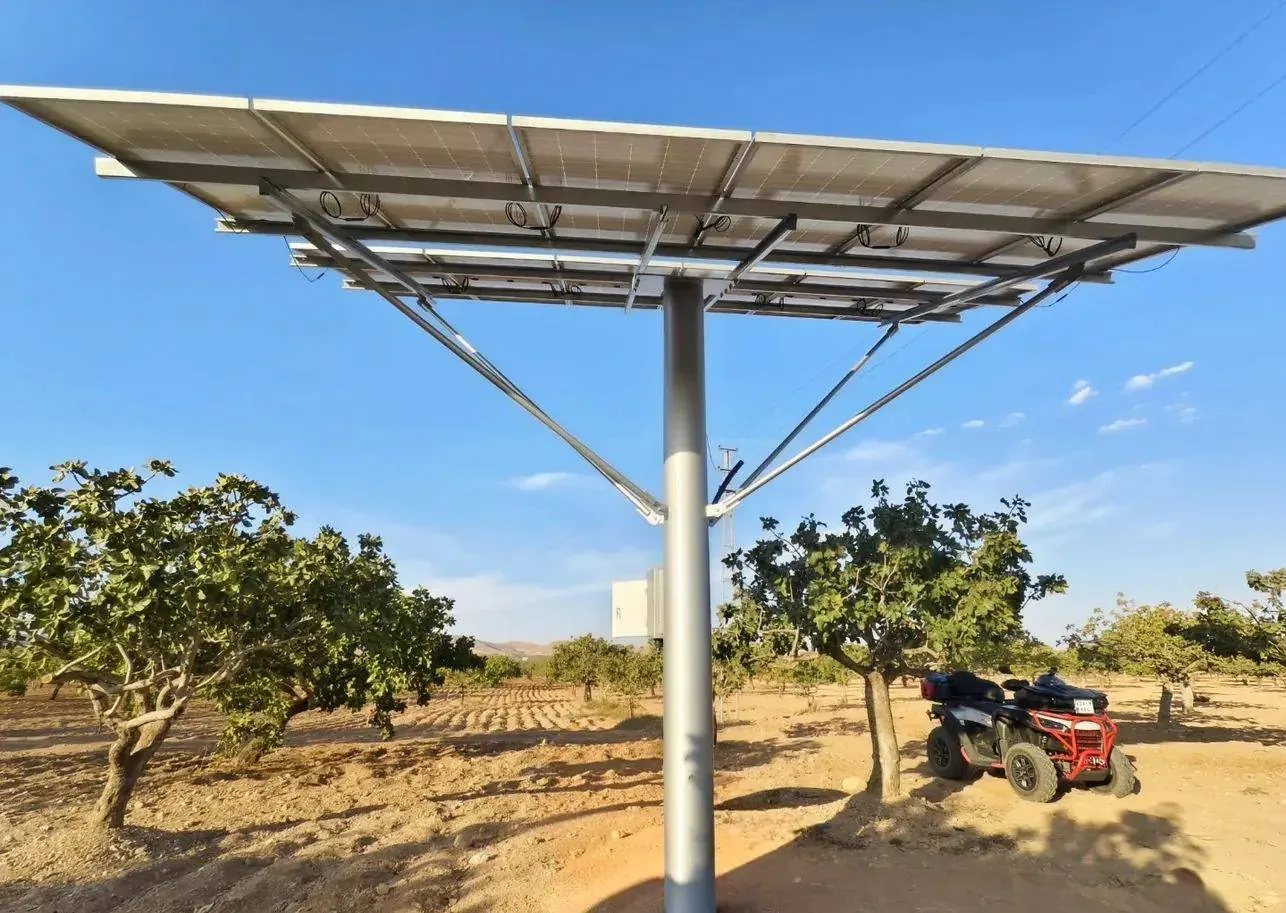
In orchards, single-support (pole-type) mounting structures can be installed without obstructing trees or working the soil. For open fields, fixed frames or solar-tracking systems may be preferred. Tracking systems provide a higher flow rate for longer during the morning and evening.
Controlling irrigation from your phone
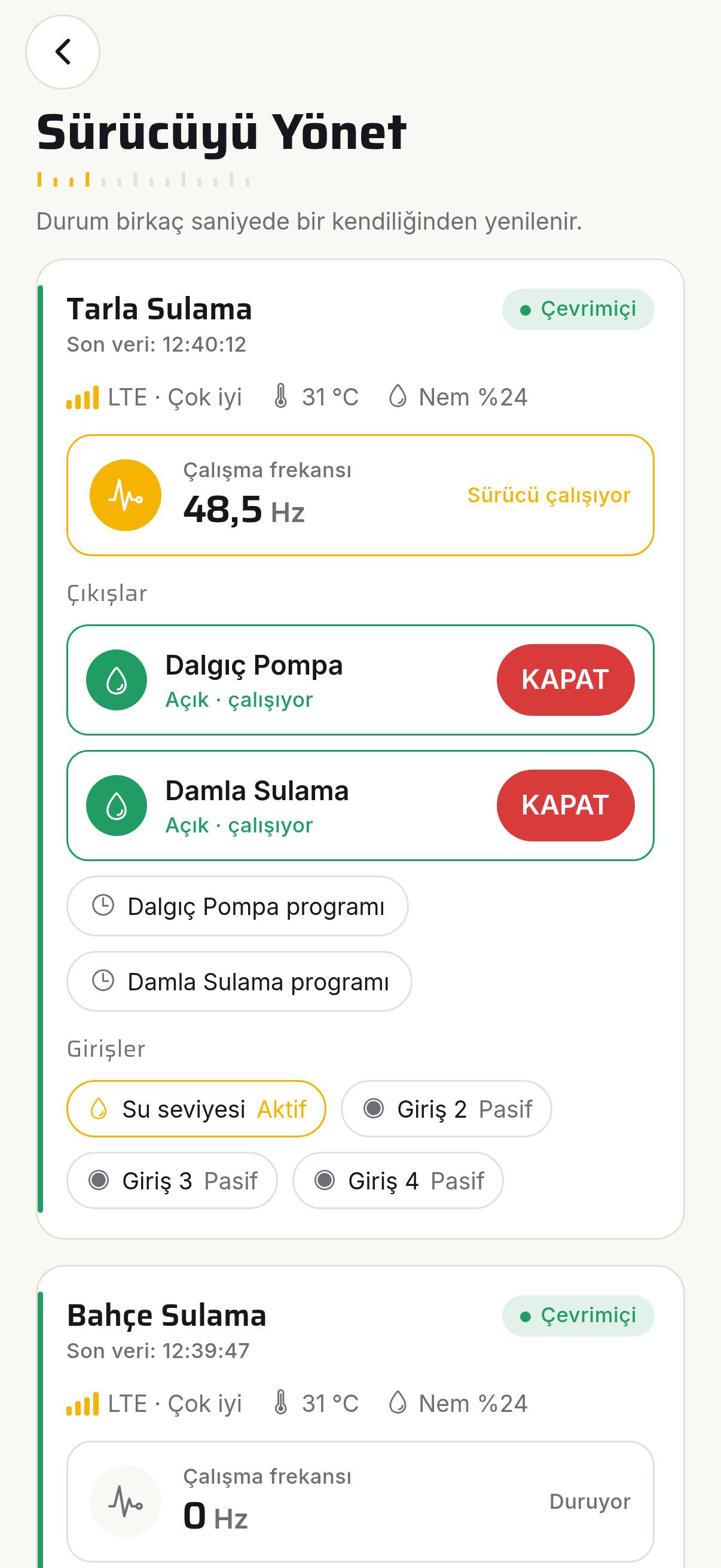
With the Manage Drive screen in the Dilsiz Solar app, you can switch your pump on and off remotely, set a schedule and monitor its operating status. You can manage irrigation without having to visit the orchard every day.
Conclusion
A properly designed solar-powered irrigation system eliminates fuel and electricity bill costs, providing free energy for years. You can submit a site survey request for a calculation tailored to your well, or call us.

21 years of experience in electrical energy and 9 years in solar energy. Based in Birecik / Şanlıurfa, we work with rooftop and ground-mounted solar plants, solar-powered agricultural irrigation, battery systems, maintenance and service.
New articles and announcements arrive as instant notifications in the app.